When it comes to safeguarding your small business, navigating the world of insurance can feel like trekking through a dense jungle. But fear not! We’re here to cut through the noise and highlight the three pivotal insurance policies every small business owner should consider. Whether you’re an entrepreneurial rookie or a seasoned business owner, understanding these insurance essentials is crucial for your business’s survival and growth.
Let’s dive deep into the world of small business insurance, uncovering the policies that can make or break your business’s future. Inspired by the practical insights of Backlinko, this guide will empower you with knowledge, so you can make informed decisions with confidence.
Understanding Three Small Business Insurance Policies
Did you know that 40% of small businesses will experience a loss event within the first year of operation? It’s true. As a small business owner, protecting your business with the right insurance policies isn’t just a formality—it’s a necessity. Let’s jump into the three essential insurance policies every small business should consider.
Here is the deal: small business insurance is your safety net. It can save you tens of thousands of dollars in unexpected costs. Without it, you’re exposing yourself to serious risk, from lawsuits to property damage. But, not all policies are created equal. You need to understand what each type of coverage does. Let’s break it down.
General Liability Insurance
First up, we have General Liability Insurance. This policy is your go-to for protection against claims of bodily injury or property damage. Imagine a customer slipping in your store. Without this insurance, you could be on the hook for medical expenses and legal fees. General Liability Insurance covers your back when mishaps happen on your premises.
Professional Liability Insurance
Next, there’s Professional Liability Insurance, also known as Errors and Omissions (E&O) Insurance. If you provide services or advice, this is a must-have. It shields you from claims of negligence or inadequate work. A single lawsuit could cost you dearly, but with this policy, you’re protected financially.
“In a world where lawsuits are common, Professional Liability Insurance is your best defense.”
Commercial Property Insurance
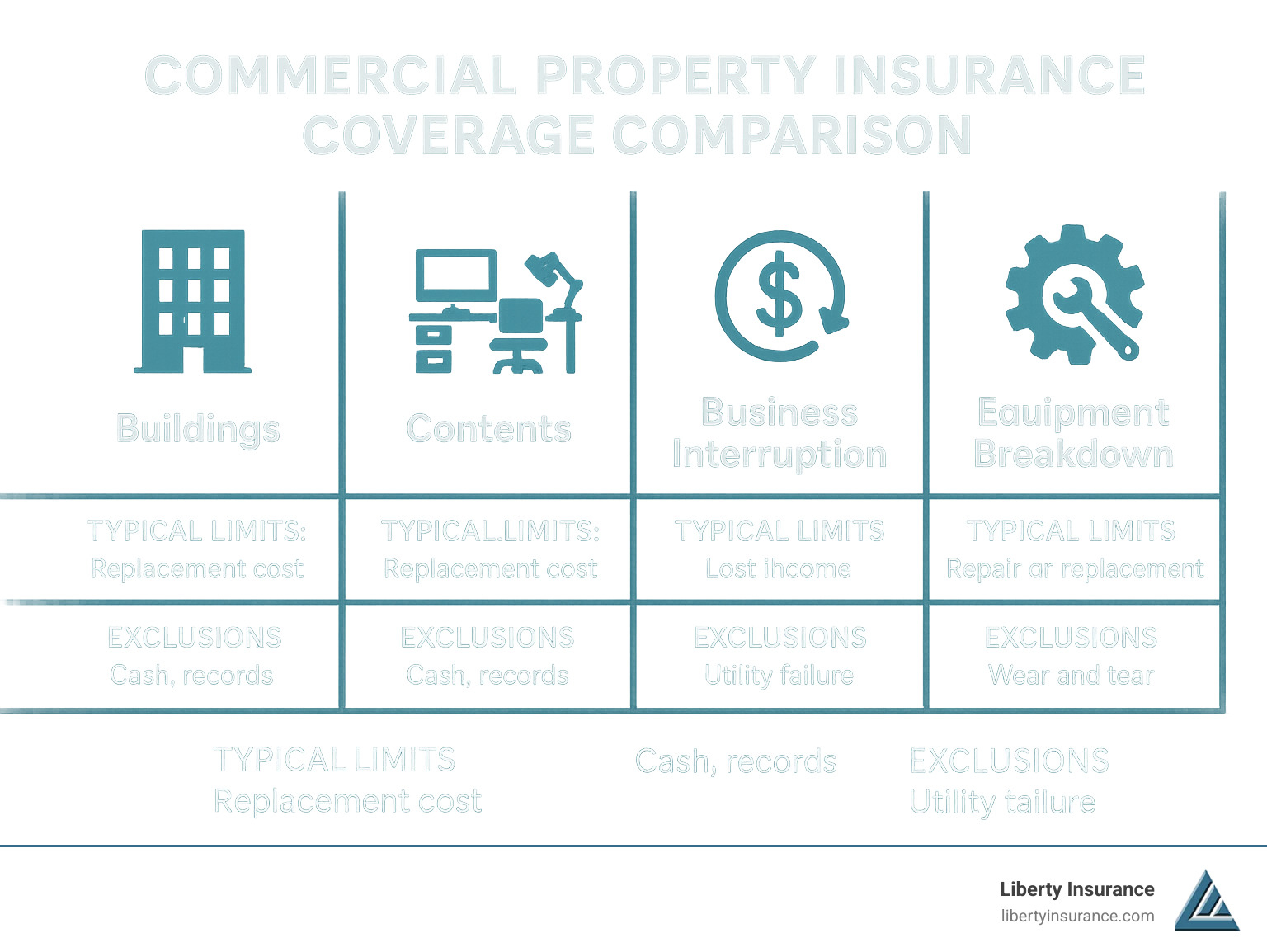
Lastly, think about Commercial Property Insurance. If you have a physical location or expensive equipment, this is non-negotiable. It covers damage from fire, theft, or natural disasters. This policy ensures your business can bounce back quickly, instead of folding under financial pressure. Secure your assets and keep your business thriving, no matter what comes your way.
To help you compare these options, check out the table below:
| Type of Insurance | Coverage | Benefits |
|---|---|---|
| General Liability Insurance | Claims of bodily injury or property damage | Protection from legal fees and settlements |
| Professional Liability Insurance | Claims of negligence or inadequate work | Financial protection against lawsuits |
| Commercial Property Insurance | Damage from fire, theft, or natural disasters | Asset protection and business continuity |
Case Studies of Small Businesses Using Insurance

Did you know that 40% of small businesses never reopen after a disaster? That’s a shocking statistic. But there’s a secret weapon that can flip the odds in your favor: insurance.
Insurance isn’t just a safety net; it’s a lifeline that can ensure your business survives and thrives even when the unexpected happens. Let’s dive into some real-world case studies to see how small businesses have harnessed the power of insurance to navigate crises and continue their operations.
Resilience in Retail: A Clothing Boutique’s Flood Recovery
When a freak storm flooded a local clothing boutique, the owner thought it was the end. BUT here is the deal: thanks to a comprehensive insurance policy, the boutique was able to cover the damages and recover quickly.
- Business: Trendy Threads Boutique
- Event: Severe flooding
- Insurance Utilized: Property insurance
- Outcome: Reopened within two months, retained 80% of the customer base
The owner learned the importance of updating policy coverage based on changing climate conditions.
“If we hadn’t reviewed our policy annually, we’d have been out of pocket,” the owner shared.
Cyber Attack Survival: A Tech Startup’s Comeback
Imagine having your entire digital infrastructure held hostage. That’s what happened to a tech startup that fell victim to a cyber attack. BUT with the right insurance, they didn’t just survive—they thrived.
- Business: Innovatech Solutions
- Event: Ransomware attack
- Insurance Utilized: Cyber liability insurance
- Outcome: Full recovery of data, improved cybersecurity measures
The key takeaway? Investing in cyber insurance is crucial in today’s digital world.
“We underestimated the risk, but now we’re prepared for anything,” the CEO remarked.
Cost Factors in Small Business Insurance

Did you know that small businesses in the U.S. spend an average of $1,200 annually on insurance? That’s a significant chunk of change! But what exactly influences these costs?
Understanding the cost factors in small business insurance is crucial for managing expenses. Several elements play a role in determining your premium. These range from the size of your business to the industry you’re in.
Key Influencers of Insurance Costs
First, the industry type matters a lot. High-risk industries, like construction, pay more than low-risk ones, such as consulting. Next, your business size and location also play a role. More employees and operations in disaster-prone areas mean higher costs.
Your claims history is another factor. Frequent claims can hike your premium. Additionally, the coverage amount you choose will affect your cost. More coverage equals more money. Simple, right?
Strategies to Minimize Costs
- Bundle insurance policies together for a discount.
- Increase deductibles to lower premiums.
- Implement safety measures to reduce risk.
But here is the deal: you shouldn’t sacrifice coverage for cost. That’s a rookie mistake. Instead, employ smart strategies to balance both aspects.
“Always review your insurance policy annually. Look for overlapping coverage and trim the fat.” — Insurance Expert
Comparing Insurance Providers
Different providers have different pricing models. Here’s how they stack up:
| Provider | Typical Premium | Special Features |
|---|---|---|
| Provider A | $1,000 | Bundle discounts |
| Provider B | $1,200 | Flexible payment plans |
| Provider C | $1,500 | Comprehensive coverage |
Pro Tip: Get quotes from multiple providers. It’s the easiest way to ensure you’re getting the best deal possible.
Legal Requirements for Small Business Insurance
Did you know that not having the right insurance could cost your business millions? Let’s dive into the legal must-haves for small businesses in different regions.
Understanding the legal requirements for business insurance is crucial. You can’t afford to be on the wrong side of the law. Different regions have specific mandates that every small business owner should know about.
Mandatory Insurance Policies by Region
Across the globe, the types of insurance a business must carry can vary significantly. In the U.S., most states require workers’ compensation if you have employees. In the UK, employers’ liability insurance is a must. Meanwhile, Australia mandates public liability insurance for many sectors.
- U.S.: Workers’ Compensation, Unemployment Insurance
- UK: Employers’ Liability, Professional Indemnity
- Australia: Public Liability, Workers’ Compensation
- Canada: Workers’ Compensation, Commercial Auto Insurance (if applicable)
Consequences of Non-Compliance
Failing to comply with these legal requirements can lead to hefty fines and even business closure. Uninsured businesses can be sued for damages, crippling your finances. Here is the deal: non-compliance isn’t worth the risk. It only takes one incident to put your business under.
“Ignoring local insurance laws is like playing Russian roulette with your business. The risk isn’t worth the potential consequences.” – Business Law Experts
Trends in Small Business Insurance
Are you ready for mind-blowing changes in small business insurance? Believe it or not, the industry is evolving faster than ever before.
From AI-driven risk assessments to blockchain-based contracts, we’re witnessing a digital revolution in how business insurance is managed and delivered. But what does this mean for you? Let’s dive into the transformative trends and what they imply for your small business.
Technology Transforming Business Insurance
Tech is not just a buzzword in the insurance sector—it’s a complete game-changer. Automation is minimizing paperwork and speeding up claims processing. Small businesses can now get insured in minutes, not days. But that’s not all. With AI, insurers can predict risks more accurately, ensuring you get the right coverage at the right price.
The implication? Expect more personalized insurance policies tailored to your specific needs without the usual hassle. Pro Tip: If you’re not leveraging technology to streamline your insurance processes, you’re already behind.
Latest Insurance Products and Features
Businesses today have more options than ever before. Check out this table to see what’s new in the small business insurance market:
| Insurance Product | Key Features |
|---|---|
| Cyber Liability Insurance | Protects against data breaches and cyber attacks. |
| Parametric Insurance | Payouts triggered by specific events (e.g., weather conditions). |
| Usage-Based Insurance | Rates based on actual usage data, thanks to IoT devices. |
These emerging products are tailored to tackle modern risks like cyber threats and climate change. But how do you choose the right one? Focus on the biggest vulnerabilities your business faces today.
Role of Digital Platforms in Insurance Management
Managing insurance is no longer a tedious chore, thanks to digital platforms. These platforms allow you to handle everything from policy updates to claims with a few clicks. No more endless calls to your insurance agent. This means you can focus more on growing your business and less on administrative burdens. Here’s the deal: If you’re not using a digital insurance platform, you’re wasting valuable time and resources.
Importance of Regular Insurance Reviews
Are you sure your small business insurance is up to snuff? The truth is, if you’re not conducting regular reviews, you might be leaving your business vulnerable.
Regular insurance reviews are the unsung heroes of robust business management strategies. They ensure you’re not overpaying or, worse, underinsured. This is crucial because the business world is dynamic, and so are your risks and liabilities.
How to Conduct an Insurance Review
Conducting an insurance review isn’t rocket science, but it does require attention to detail. Start by gathering all your current policies. Next, compare them against your current business operations and future goals. The goal is to spot any gaps that could leave your business exposed.
Here’s how to get started:
- Review your current policy documents.
- Identify any new assets or changes in operations since your last review.
- Check for changes in insurance regulations that might affect your coverage.
- Consult with your insurance broker for expert advice.
Pro Tip: Always keep a log of incidents or claims as they occur. This can be invaluable in identifying patterns that indicate underinsurance.
Checklist for Insurance Reviews
A regular insurance checkup is your best bet to ensure comprehensive coverage. Here’s a checklist to help streamline the process:
- Verify your business classification and industry codes.
- Assess the adequacy of your liability limits.
- Review property and casualty coverage.
- Check endorsements and exclusions for relevance.
- Ensure workers’ compensation coverage is up-to-date.
- Consider cyber liability if you handle sensitive data.
Expert Recommendations for Optimizing Coverage
According to industry experts, annual reviews are the minimum. But here’s the deal: if your business is undergoing rapid changes, more frequent reviews might be necessary. Experts recommend consulting a broker who specializes in your industry to tailor coverage to your specific needs. This can mean the difference between being underinsured and having the peace of mind that comes with adequate protection.
Closure
The path to securing your business is paved with informed decisions, and understanding the three small business insurance commercial policies is a vital step in that journey. By embracing these insurance options, you’re not only protecting your business but also ensuring a smoother ride through life’s unpredictable business landscape. Make sure to stay ahead of the curve by regularly reviewing and updating your insurance policies to keep your business securely grounded.
Answers to Common Questions
What are the three essential types of insurance for small businesses?
The three essential types of insurance are General Liability Insurance, Property Insurance, and Business Interruption Insurance.
Why is commercial insurance important for small businesses?
Commercial insurance is crucial as it protects your business from financial losses due to unforeseen events, ensuring business continuity and stability.
How can small businesses minimize their insurance costs?
Businesses can minimize costs by comparing different insurance providers, opting for bundled policies, and regularly reviewing their coverage to eliminate unnecessary insurance.
What are the legal consequences of not having mandatory insurance?
Failure to comply with legal insurance requirements can lead to fines, penalties, and even the suspension of your business license.
How often should small businesses review their insurance policies?
It’s recommended to review your insurance policies annually or whenever there are significant changes in your business operations.
What role does technology play in small business insurance?
Technology simplifies the management of insurance policies through digital platforms, offering easy access to policy details and facilitating quick updates and claims processing.
Can a small business owner handle insurance without an agent?
Yes, with the rise of digital platforms, many small business owners find it easier to manage their insurance needs directly, although consulting an expert can still be beneficial.
