Ever wondered why some businesses thrive while others struggle with unforeseen challenges? The secret often lies in being prepared for the unexpected, and that’s where errors and omissions insurance steps in. In Washington State, where the business landscape is as dynamic as its coffee culture, understanding this insurance is not just smart—it’s essential.
Errors and omissions insurance, or E&O, is like a safety net for professionals who want to safeguard their reputation and finances from claims of inadequate work or mistakes. Whether you’re a real estate agent, a consultant, or an IT professional, this insurance can mean the difference between business continuity and costly legal battles. Let’s dive into the specifics and see why it holds such importance in Washington State.
Understanding Errors and Omissions Insurance

Did you know that a single mistake could cost your career? That’s the reality for many professionals without errors and omissions insurance.
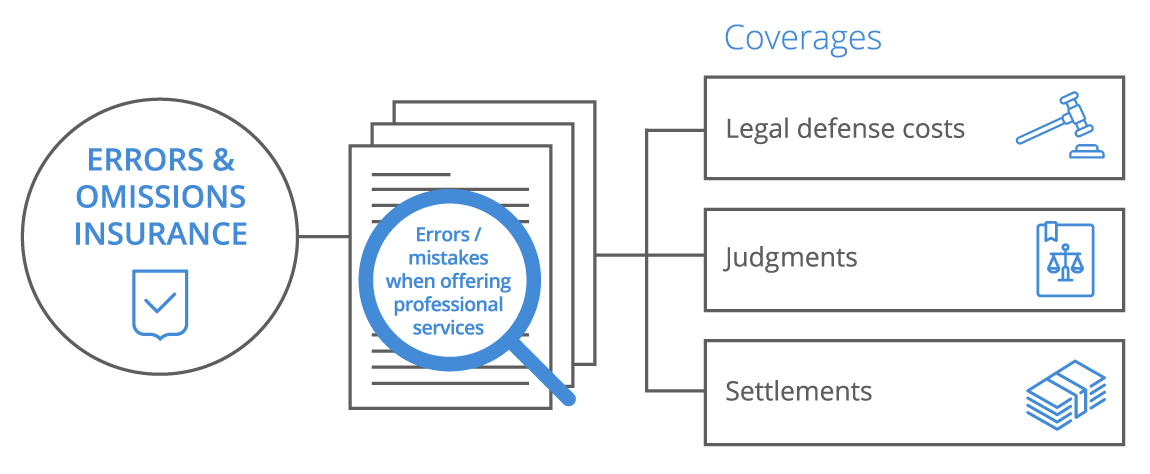
Errors and omissions insurance, often abbreviated as E&O, is a type of professional liability insurance. It protects you from claims made by clients for inadequate work or negligent actions. If your advice or services lead to a financial loss for a client, this insurance steps in to cover the legal costs.
Who Needs Errors and Omissions Insurance?
You’re probably asking yourself, “Do I need this?” Well, if you’re someone who provides a service or offers professional advice, the answer is likely yes. This includes real estate agents, consultants, lawyers, and even IT professionals. Basically, anyone who could be accused of not delivering on their professional promises. Without this protection, you could be left financially vulnerable if a client decides to sue you.
Typical Coverage Offered by Errors and Omissions Insurance
Here’s the deal: E&O insurance doesn’t cover everything, but it’s robust where it counts. Typically, it includes coverage for legal defense costs, settlements, and even judgments. The goal is to ensure you’re protected if you make an error or fail to perform a service. However, intentional wrongdoing and illegal acts are usually not covered.
Pro Tip: Always check the fine print of your policy to understand what is and isn’t covered!
Importance of Errors and Omissions Insurance in Washington State
Imagine losing your entire business due to one small mistake. Scary, right? That’s why Errors and Omissions Insurance (E&O) is a lifeline for businesses in Washington State.
You might think, “Do I really need this insurance?” The answer is a resounding yes. Here’s the deal: E&O insurance protects you against claims of negligence and mistakes. Without it, you’re exposed to costly lawsuits that could sink your business.
Industries in Washington State Requiring E&O Insurance
Not all businesses are created equal. Some industries in Washington demand E&O insurance more than others. For instance, tech companies and real estate agents are at high risk for lawsuits over performance issues or professional advice. Consultants and architects also face significant exposure due to the advisory nature of their work.
Pro Tip: If your business relies heavily on personal expertise, E&O insurance is non-negotiable.
Legal Requirements for Errors and Omissions Insurance in Washington State
Washington State doesn’t always mandate E&O insurance. BUT, some industries have specific regulations. For example, real estate professionals must carry it to guard against claims of misrepresentation or negligence.
Here is the deal: Even when not legally required, having E&O coverage is a smart move. It’s like having a safety net for your business. Imagine a lawsuit that could cost you up to $1 million — E&O insurance ensures you’re covered.
Differences in Coverage
Ever wondered how errors and omissions insurance in Washington State stacks up against other states? The differences are more significant than you might think.
Washington State has its own set of rules and factors that can make its E&O insurance coverage unique. Let’s dive into what sets it apart from the rest of the country.
State-Specific Regulations and Coverage
Washington State requires specific disclosures that aren’t mandatory in other states. This means businesses have to be extra careful about their policy details. Failure to comply with these regulations can lead to denied claims, leaving you vulnerable when you least expect it. But here is the deal: understanding these nuances can save your business from unexpected liabilities.
Comparison of Cost Factors
Cost also varies significantly and isn’t uniform across the board. Here’s a breakdown of the main cost drivers for errors and omissions insurance in Washington versus other states:
| Factor | Washington State | Other States |
|---|---|---|
| Industry Type | High-tech and services see higher rates | Varies widely |
| Policy Limits | Often higher mandatory minimums | More flexibility |
| Claims History | Strict review | Moderate review |
| State Regulations | Specific compliance requirements | Less stringent |
Pro Tip: Make sure your policy aligns with state-specific requirements to avoid costly surprises.
Understanding these factors can help you make a more informed decision when choosing your E&O insurance. Don’t let state lines catch you off guard!
Common Claims and Avoidance Strategies
Did you know that over 40% of small businesses are likely to experience some form of professional liability claim within ten years? Washington State is no different. Understanding the common claims and how to dodge them is crucial for maintaining your business’s reputation and financial health.
Many professionals in Washington State face errors and omissions claims due to misunderstandings, lack of communication, or simple human error. These claims can be devastating both financially and reputationally if not handled properly. BUT, here’s the deal: by implementing certain strategies, you can significantly reduce the likelihood of these claims.
Common Scenarios Leading to Claims
Professionals often find themselves in hot water from misrepresentations, missed deadlines, or failure to meet industry standards. Imagine promising a deliverable within a specific timeframe, but unforeseen events cause delays. Clients might file a claim if they suffer a loss due to these delays.
Another common scenario involves providing incorrect advice. For example, a real estate agent could face a claim if they misinterpret zoning laws, causing the client financial loss. Here’s the kicker: many times, these situations arise from simple miscommunication rather than malicious intent.
Strategies to Minimize Risk of Claims
To protect yourself, you need a proactive approach. Step #1: Ensure clear and detailed contracts. Contracts should artikel deliverables, timelines, and any limitations of your services. This clarity can serve as your first line of defense.
Step #2: Maintain open communication. Regularly update clients on progress and any changes. Addressing potential issues before they escalate can prevent misunderstandings that lead to claims.
Pro Tip: Always follow up verbal agreements with written confirmation. This creates a paper trail that can protect you if disputes arise.
Checklist of Best Practices
Adopting best practices can be your shield against E&O claims. Here’s a concise checklist to guide you:
- Use standardized templates for agreements and communications.
- Implement a quality control process to catch errors before they reach clients.
- Regularly review and update your professional knowledge and skills.
- Keep detailed records of all client interactions and project milestones.
- Invest in training for effective client communication and dispute resolution.
By consistently applying these strategies, you can showcase your professionalism and reduce errors that might lead to costly claims in Washington State. Remember, proactive risk management is the hallmark of a thriving business.
Selecting the Right Policy for Your Needs
Did you know that nearly 40% of small businesses face a potential risk of professional liability claims each year? Yes, you read that right! And if you’re running a business in Washington State, having the right errors and omissions insurance is non-negotiable.
But here’s the deal: not all policies are created equal. You need to know what factors to consider to protect your business effectively.
Key Factors to Consider
Selecting a policy isn’t just about the price tag. You need to consider the coverage limits, exclusions, and the specific risks associated with your industry. For instance, a consultant will have different needs compared to a real estate agent.
Also, think about the claims process and customer support. How responsive is the insurer when you need them the most? These details can make or break your experience if a claim arises.
Questions to Evaluate Providers
Before you commit, dig deep into these questions:
- What specific risks does the policy cover?
- Are there any industry-specific exclusions?
- How does the claims process work?
- What kind of support can I expect in case of a claim?
- Is there a deductible, and if so, how much?
Asking these questions does more than just provide clarity—it ensures you’re getting value for your money.
Guidelines for Tailoring Your Policy
Customizing your errors and omissions insurance is crucial. Start by assessing your business’s unique risks and industry standards. Don’t just opt for a cookie-cutter policy; instead, work with your provider to customize your coverage.
Pro Tip: Always review your policy annually. As your business grows or shifts, your coverage needs might change, too.
Moreover, leverage endorsements to enhance your policy’s scope. This could include extending coverage to remote employees or additional protection for data breaches.
Impact of Errors and Omissions Insurance on Business Operations

Did you know that 52% of small businesses faced legal challenges in the last few years? That’s where Errors and Omissions (E&O) Insurance comes in.
This coverage doesn’t just protect against potential lawsuits. It also enhances your business’s credibility and reassures your clients that you’re prepared for the unexpected.
Influence on Business Reputation and Client Trust
When clients know you have E&O insurance, their trust in your services shoots up. Why? Because it signals that you are serious about accountability and committed to delivering quality. In today’s fast-paced market, reputation is everything. Having this insurance shows that you’re not just covering your bases, but you care about your client’s peace of mind.
Here is the deal: a single mistake can tarnish your reputation overnight. E&O insurance helps mitigate that risk by providing a safety net, ensuring small mishaps don’t morph into major setbacks.
The Role in Financial Risk Management
Financial stability is the backbone of any thriving business. E&O insurance plays a pivotal role in this by safeguarding your assets from unexpected claims. Without it, one lawsuit could lead to financial ruin. But with it, you can navigate even the stormiest of legal waters without capsizing.
Pro Tip: Regularly assess your coverage to match the growth and changing dynamics of your business. This ensures you’re always protected against the latest risks and challenges.
The power of E&O insurance in contract negotiations is unmatched. Clients are more likely to sign on the dotted line when they see your business is well-protected against errors.
In essence, E&O insurance can be a game-changer in negotiations. It not only reduces your financial risk but also signals to potential clients that you’re a reliable partner. This can be the difference between sealing a deal or losing out to competitors.
Closure
As we wrap up, it’s clear that errors and omissions insurance isn’t just a policy—it’s a business partner that protects, reassures, and empowers. Washington State professionals can’t afford to overlook this crucial aspect of risk management. By choosing the right policy, businesses not only shield themselves from potential pitfalls but also enhance their credibility and client trust. So, why wait? Secure your peace of mind and let your business flourish with confidence.
Common Queries
What is errors and omissions insurance?
Errors and omissions insurance is a type of professional liability insurance that protects businesses and professionals against claims of inadequate work or negligent actions.
Who needs errors and omissions insurance in Washington State?
Professionals such as real estate agents, consultants, IT specialists, and financial advisors in Washington State often require errors and omissions insurance.
How does errors and omissions insurance differ in Washington State compared to other states?
While the basic coverage is similar, Washington State may have unique regulations and cost factors affecting errors and omissions insurance.
Are there legal requirements for errors and omissions insurance in Washington State?
Yes, some industries in Washington State mandate errors and omissions insurance to comply with professional standards and regulations.
How can I minimize the risk of errors and omissions claims?
Implementing best practices, maintaining clear client communication, and keeping detailed records can significantly reduce the risk of claims.
