Starting a small business is no small feat. You’re juggling everything from sales to staffing, and the last thing you want is an unforeseen event throwing a wrench in your hard-earned momentum. Enter small business insurance — your safety net against the unpredictable. In today’s digital landscape, understanding the right types of insurance isn’t just smart; it’s crucial for survival and growth.
Dive into the world of small business insurance, and you’ll discover a realm that, while daunting at first, is a beacon of security and peace of mind. Think of it as your invisible partner, quietly ensuring that when the going gets tough, you’re not standing alone. From protecting against liability claims to safeguarding your property and employees, insurance is the cornerstone of risk management for businesses, big and small.
Introduction to Small Business Insurance

Did you know that 40% of small businesses have no insurance at all? Now, that’s a risky move. Insurance is your business’s safety net, protecting you from unexpected disasters.
When you’re running a small business, the stakes are high. One accident could cost you everything. That’s where insurance comes in. It covers your assets, your team, and even shields you from lawsuits. Basically, it’s essential for survival.
Common Types of Insurance for Small Businesses
Every small business needs a tailored insurance plan. Here’s the deal: there are several types of insurance you need to consider. Let’s break it down:
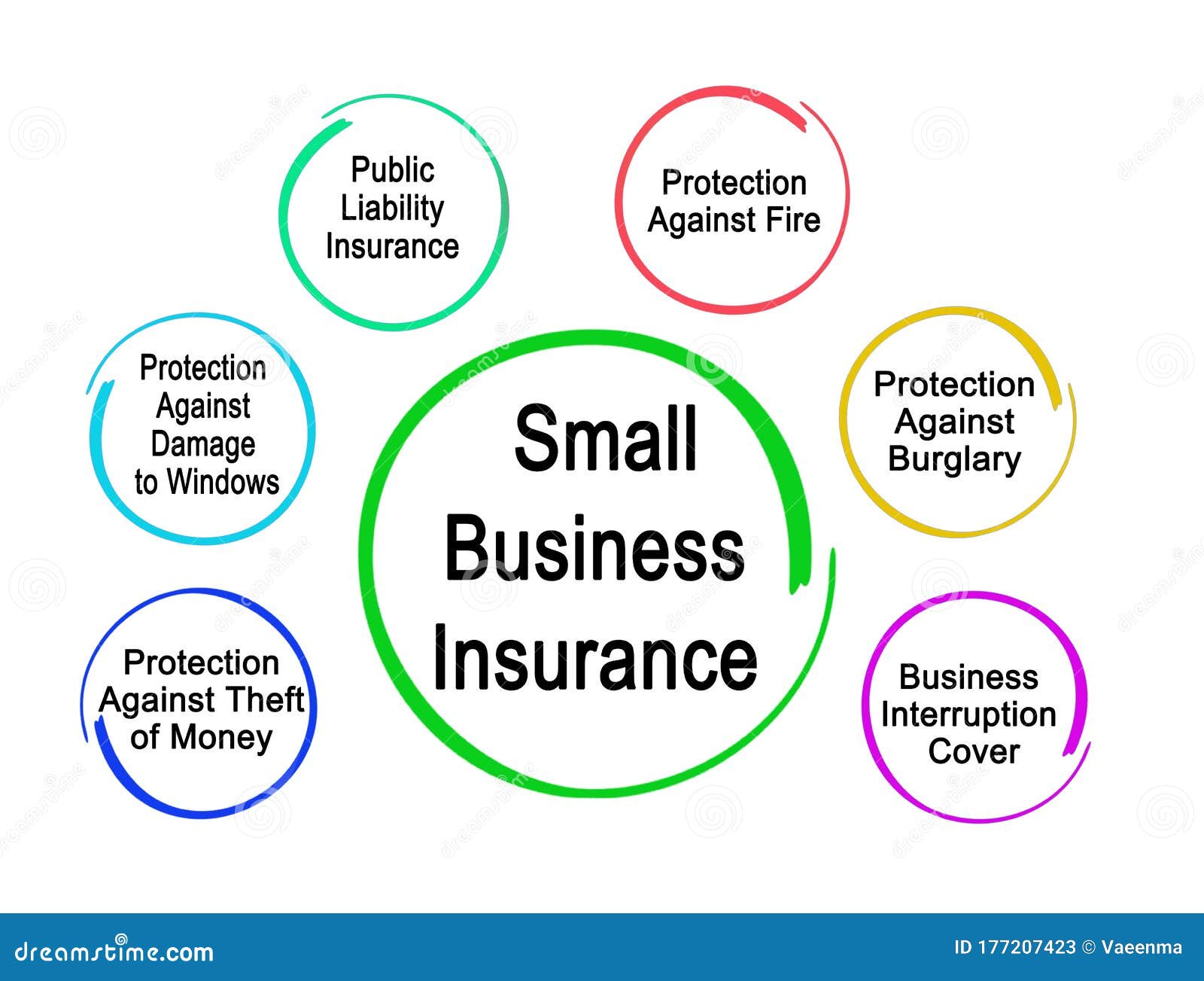
- General Liability Insurance: Protects against lawsuits for bodily injury, property damage, and more.
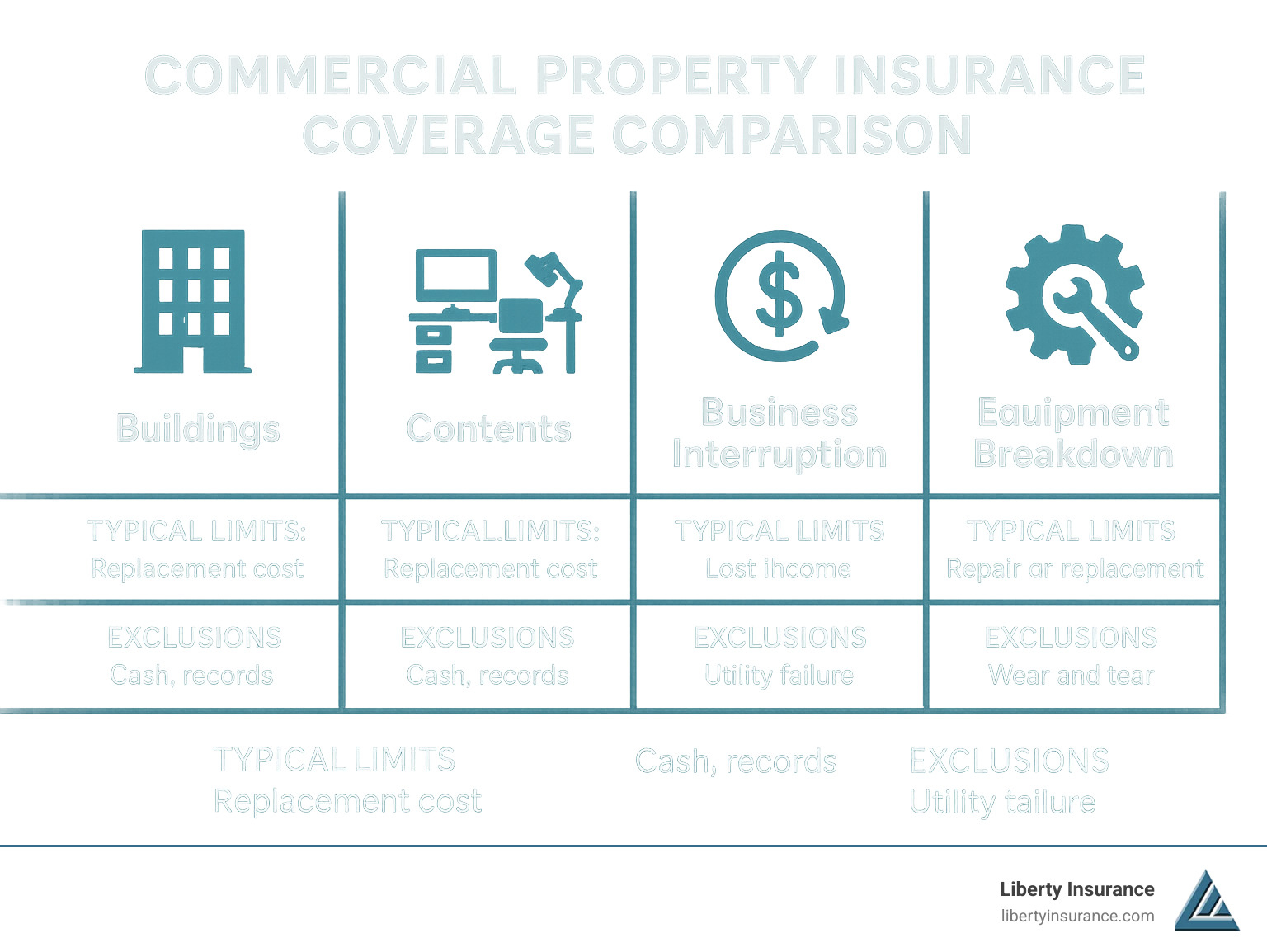
- Property Insurance: Covers damages to your property caused by events like fire or theft.
- Workers’ Compensation: Required in most states, this covers medical expenses and lost wages for injured employees.
- Professional Liability Insurance: Also known as errors and omissions insurance, it protects against negligence claims.
Pro Tip: Bundle different types of insurance for a better deal and to ensure comprehensive coverage.
The Role of Insurance in Risk Management for Small Businesses
Here is the deal: insurance is the cornerstone of your risk management strategy. It acts as a financial buffer. You can’t predict every crisis, but you can prepare for it.
Think about it. Without insurance, a single lawsuit or disaster can drain your savings and even bankrupt your business. By investing in insurance, you’re investing in your business’s future.
Insurance helps you manage risks proactively. So, take the right steps to safeguard your business today.
Types of Small Business Insurance
Did you know that 44% of small businesses have never had insurance? That’s a risky game to play because the right insurance can be your business’s backbone when disaster strikes.
Here’s the deal: Understanding the types of insurance your small business needs is crucial. It’s not just about checking a box—it’s about protecting your livelihood.
General Liability Insurance
General Liability Insurance is the first line of defense for any small business. Why? Because it covers the costs if someone gets injured on your property or if you’re liable for property damage. Imagine a customer slips on your store’s floor. Without this insurance, you might be facing a lawsuit that could sink your business. This coverage also includes legal defense costs and settlements, so you’re not paying out of pocket.
Pro Tip: Always check if your policy covers both bodily injury and property damage to avoid costly surprises.
Property Insurance Benefits
Property Insurance is a lifesaver when it comes to protecting your physical assets. This coverage helps replace or repair your business property if it’s damaged by fire, storm, or theft. Think about it: What happens if a fire destroys your office? With property insurance, you can recover without draining your financial resources. It covers everything from equipment to furniture, ensuring your business gets back on its feet quickly. A small premium can safeguard tens of thousands of dollars’ worth of property.
The Importance of Workers’ Compensation Insurance
Don’t underestimate the power of Workers’ Compensation Insurance. It’s not just a legal requirement in most states—it’s a safeguard for both you and your employees. This insurance covers medical expenses and lost wages if an employee gets injured or sick due to their job. Why is this crucial? It protects your business from potential lawsuits while providing your team the support they need to recover. Your employees are your biggest asset, and this coverage ensures they’re taken care of, which in turn protects your business.
Factors Affecting Small Business Insurance Costs
Ever wondered why two seemingly similar businesses pay different insurance premiums? The truth is, several key factors can send your rates skyrocketing or keep them surprisingly low.
Let’s dive into what really drives these costs.
Business Size and Industry
Your business size and industry can dramatically affect your insurance premiums. Larger businesses often face higher risks, leading to steeper costs. Similarly, if you’re in a high-risk industry like construction, expect to shell out more compared to a low-risk field like consulting.
Here is the deal: Insurance companies look at the size of your workforce and the nature of your operations. They assess the potential for accidents or liabilities, and base your premiums on that risk assessment.
Claim History
Your history speaks volumes. A clean claims record can be your best ally in keeping premiums down. BUT if you’ve filed multiple claims, insurers might see you as a risky investment.
This doesn’t just apply to major claims. Even small, frequent claims can hurt your standing.
Pro Tip: Maintain a solid claims history to negotiate better insurance terms.
| Factor | Description | Impact on Premium |
|---|---|---|
| Business Size | Larger businesses have higher potential risks. | Generally increases premiums |
| Industry Type | High-risk industries face greater liabilities. | Leads to higher premiums |
| Claim History | Past claims can indicate future risk. | Increases premiums with poor history |
Choosing the Right Insurance for Your Small Business
Did you know that 40% of small businesses never reopen after a disaster? That’s a scary statistic. But here’s the deal: having the right insurance can save your business from becoming part of that statistic.
You need insurance that fits like a glove. It’s not just about ticking boxes on a form. It’s about safeguarding your business. Let’s break down how you can choose the perfect insurance policy for your small biz.
Step-by-Step Method for Selecting the Appropriate Insurance
First off, identify your risks. Some businesses are more at risk for natural disasters, while others might worry about data breaches. Next, determine the coverage you need. Are you more concerned about liability or property damage? Then, shop around. Get quotes from multiple providers to see who offers the best deal.
Pro Tip: Always read the fine print. Some policies may exclude certain types of coverage that you assume are included.
Evaluating Insurance Providers
Choosing an insurance provider is like choosing a business partner. You need someone reliable. Look at their reputation and financial stability. Check reviews and ratings online. Don’t forget to assess their customer service. You want a provider who’s there for you in times of need.
Pro Tip: Ask for referrals from other business owners in your industry. Their firsthand experiences can be invaluable.
The Importance of Tailoring Insurance Policies to Specific Business Needs
One-size-fits-all insurance policies? They don’t exist. Your business is unique, and your insurance should reflect that. Tailor your policy to cover the specific risks your business faces. Whether it’s cyber liability for tech firms or product liability for manufacturers, customized coverage is key.
Remember, the goal is to have peace of mind. When disaster strikes, you should focus on rebuilding, not worrying about financial ruin.
Benefits of Comprehensive Insurance Coverage
Did you know that 40% of small businesses never reopen after a disaster? That’s a scary stat! Comprehensive insurance isn’t just a luxury—it’s a lifeline. When disaster strikes, you’ll be glad you didn’t skimp on coverage.
Comprehensive insurance provides a safety net that helps small businesses bounce back from unforeseen events. From natural disasters to lawsuits, having the right coverage can mean the difference between recovery and closure. Let’s dive into the advantages.
Peace of Mind and Financial Stability
Running a small business is tough, but living in constant fear of financial ruin makes it even tougher. With comprehensive insurance coverage, you can operate with confidence knowing you’re protected. Imagine a fire damaging your storefront. Instead of panic, you’d file a claim and focus on getting back to business.
Comprehensive coverage also keeps your finances stable. Why? Because it covers more than just the obvious. Think about liability claims, equipment breakdowns, or even cyber attacks. These are expensive problems that become manageable with the right policy.
Real-World Scenarios Where Insurance Saved the Day
Picture this: a client sues you over a contract dispute. Without insurance, the legal fees alone could shutter your doors. But with comprehensive liability coverage, you’re shielded from these costs. Or consider a local coffee shop hit by a sudden flood. Their insurance policy not only covered the physical damage but also the income lost during repairs. That’s huge!
Pro Tip: Never underestimate the value of business interruption insurance. It can keep your cash flow steady while you rebuild.
Future Trends in Small Business Insurance
Are you ready for the insurance revolution? The small business insurance landscape is shifting faster than ever before.
Thanks to technology and innovation, traditional insurance models are becoming obsolete. Small businesses now have more options than ever to protect themselves against risks. Here’s what’s changing and why it matters to you.
Emerging Trends in the Small Business Insurance Industry
Insurance isn’t just about protecting against fire or theft anymore. We’re seeing a rise in cyber insurance due to increased digital threats. You might be thinking, “My business is too small for that.” BUT, did you know small businesses are the primary target for 43% of cyberattacks? It’s time to rethink what’s essential.
Innovative Approaches vs. Traditional Insurance Models
The old school way of buying insurance involved lengthy meetings and piles of paperwork. Not anymore. Digital platforms now let you customize insurance plans with a few clicks, saving you time and hassle. Don’t be the last one stuck in the past. BUT here’s the deal: while digital-first approaches offer convenience, they might lack the personal touch that traditional models provide.
| Traditional Insurance | Innovative Approaches |
|---|---|
| Personal Agent Interaction | Automated Digital Platforms |
| Standardized Policies | Customizable Plans |
| Time-Consuming Process | Quick and Convenient |
Impact of Technology on Accessibility and Customization
Technology is breaking down barriers, making insurance more accessible than ever. AI and big data are helping insurers create personalized policies tailored to your specific needs. Imagine getting a policy that knows your business inside and out, providing exactly the coverage you need! BUT be cautious: greater customization sometimes means more complexity. Always read the fine print.
Pro Tip: Embrace technology, but don’t forget the value of expert advice. Combining both can offer the best protection for your small business.
Summary
In the grand tapestry of entrepreneurship, insurance weaves a critical thread. It’s not just about meeting legal requirements or checking off a box on your to-do list. It’s about laying a robust foundation for your business’s future. With the right insurance, you’re not just protecting assets; you’re nurturing the very dreams that drive your entrepreneurial spirit. So, take the time, explore your options, and invest in peace of mind.
Common Queries
What are the three main types of insurance small businesses commonly need?
The three main types are general liability insurance, property insurance, and workers’ compensation insurance.
What does general liability insurance cover?
General liability insurance provides coverage for legal claims arising from accidents, injuries, or negligence that occur on your business premises.
Why is property insurance beneficial for small businesses?
Property insurance protects your business’s physical assets, such as buildings and equipment, from damage or loss due to events like fire, theft, or natural disasters.
How does business size affect insurance costs?
Smaller businesses typically have lower insurance costs compared to larger ones, as they generally pose less risk in terms of potential claims.
How can claim history impact insurance premiums?
A history of frequent claims can lead to higher premiums, as insurers may view your business as a higher risk.
